TOTAL SOLAR ECLIPSE · 2 AUGUST 2027
An extraordinary celestial event
On 2 August 2027, the Moon will hide the Sun along a narrow strip of the Earth. A rare spectacle to discover, understand and enjoy safely.
Discover the eclipseAT A GLANCE
Monday 2 August 2027
Total eclipse along the path of totality
Partial across much of Europe

THE PHENOMENON
What is a solar eclipse?
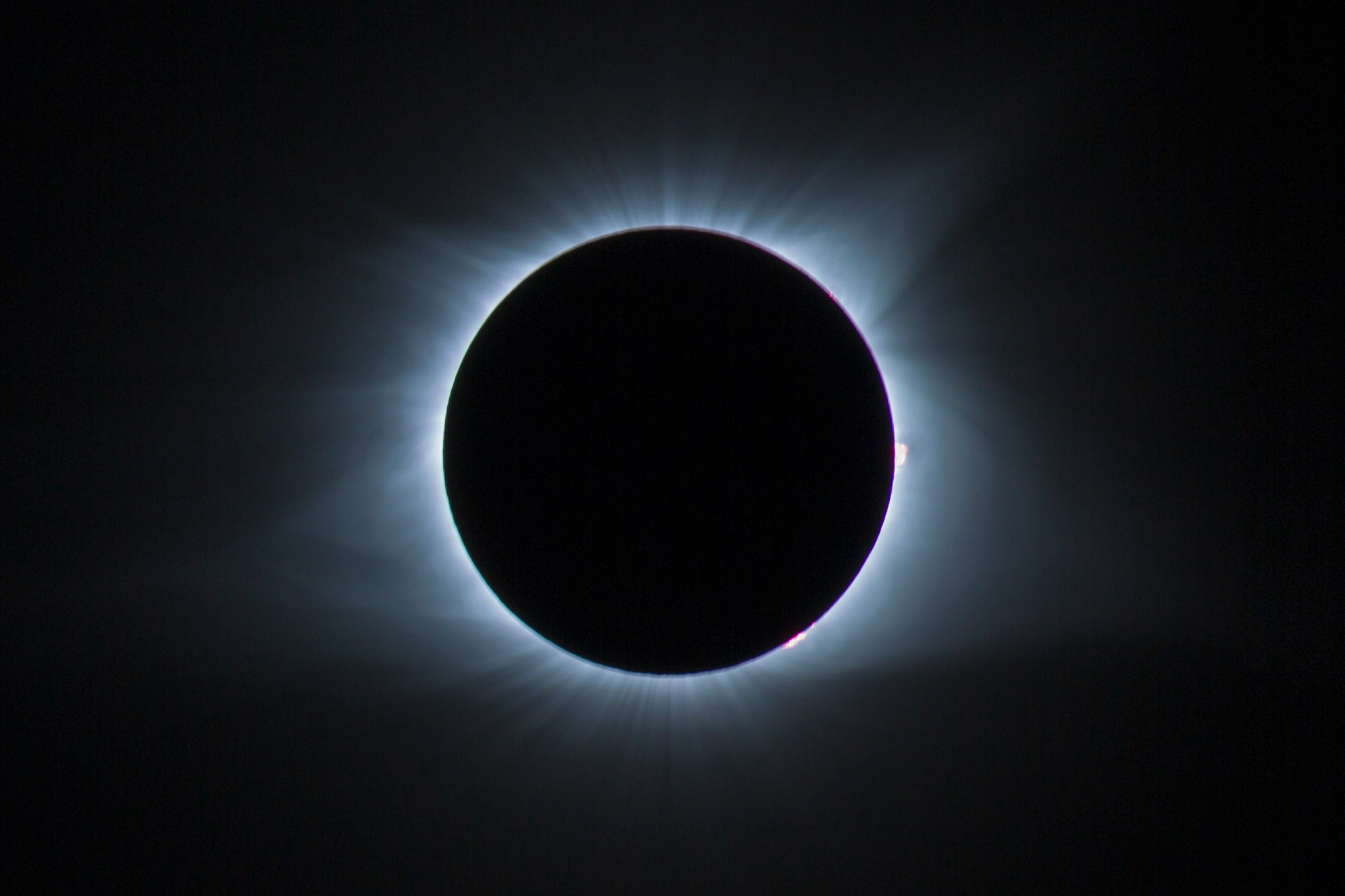
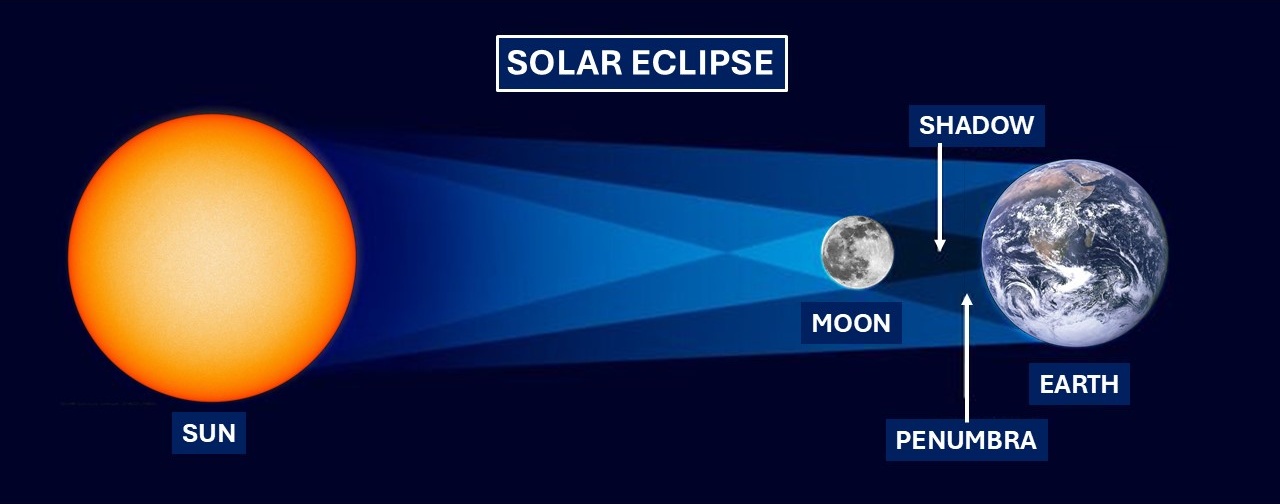
A solar eclipse occurs when the Moon passes between Earth and the Sun. Within the Moon’s narrow shadow the Sun is completely obscured for a short time: this is totality. Outside this path, only part of the solar disk is hidden.
WHEN AND WHERE
Where can you see the eclipse on 2 August 2027?
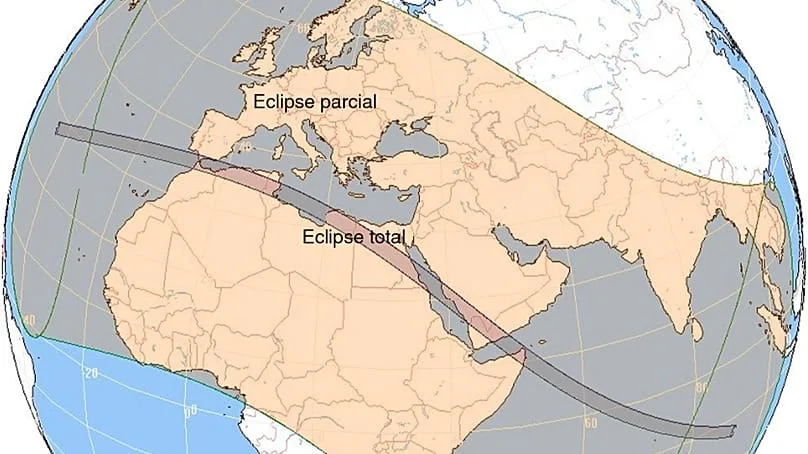
The path of totality will cross southern Spain, Morocco, Algeria, Tunisia, Libya, Egypt, Saudi Arabia, Yemen and Somalia. In France and across much of Europe, the eclipse will be partial.
Timing and coverage depend on your viewing location. Check your city before planning an event.
THE PATH
The Moon’s shadow across the Earth
The map shows the totality corridor south of Europe and across North Africa, together with the much wider area of partial eclipse.
WATCH SAFELY
Enjoy the spectacle while protecting your eyes
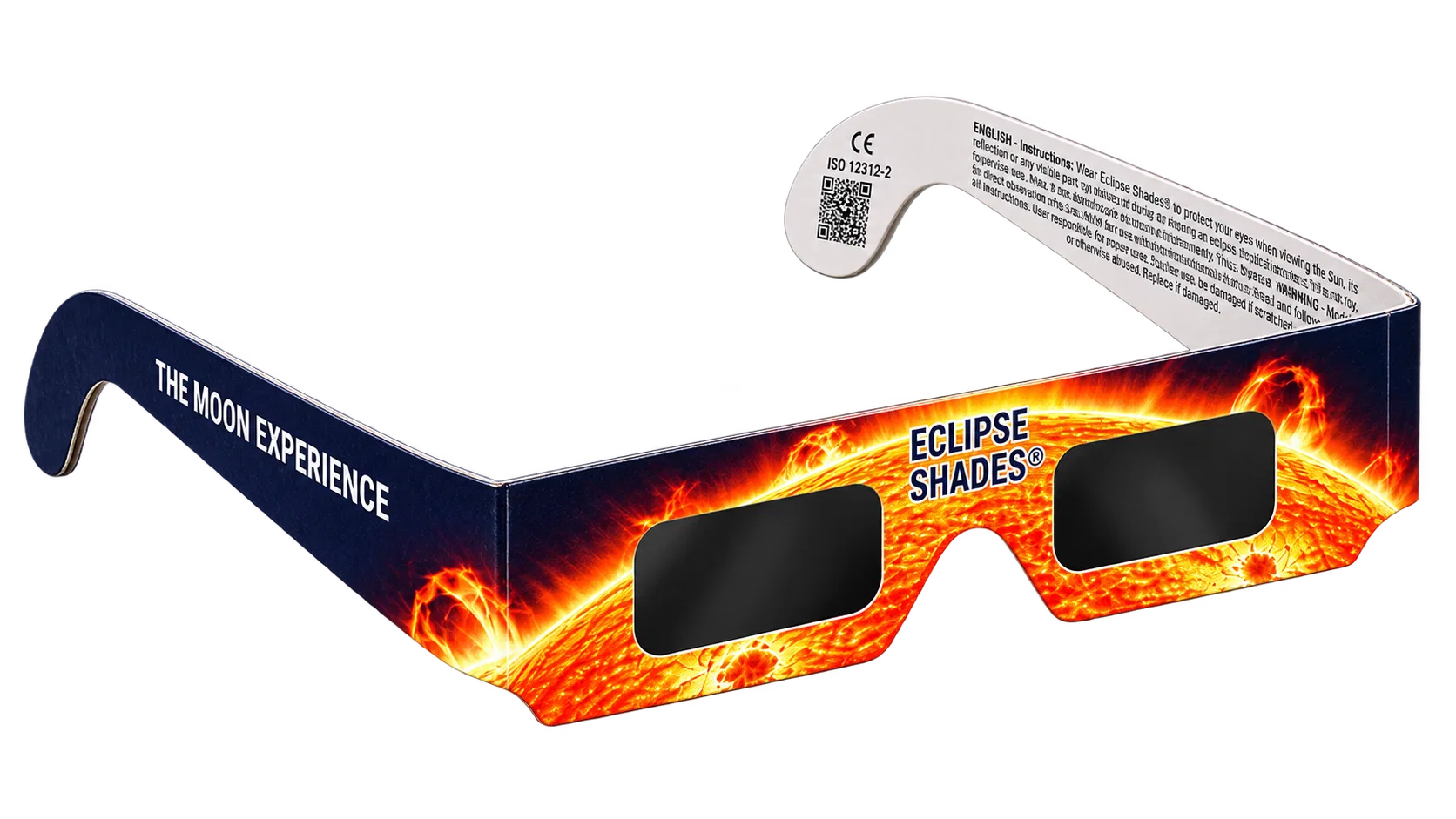
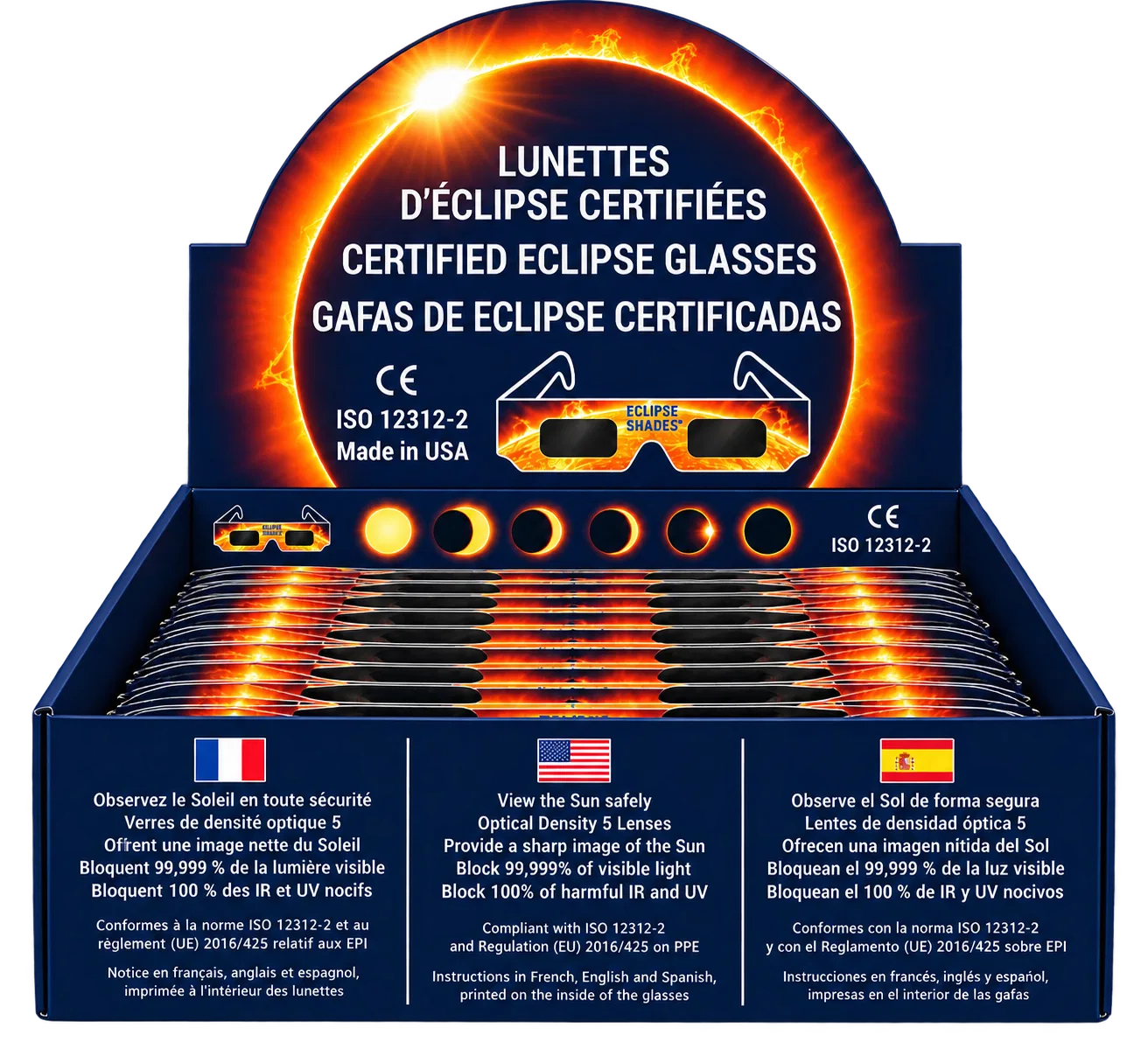
Throughout every partial phase, wear solar viewers made for direct Sun observation that comply with ISO 12312-2. Ordinary sunglasses are not sufficient. The only exception is the brief period of complete totality from within the path of totality.
Never look at the Sun through a telescope or binoculars without a dedicated solar filter mounted in front of the instrument.
Discover our eclipse glasses See conformity certificates ↗GOOD TO KNOW
Frequently asked questions about the 2 August 2027 eclipse
Will the eclipse be total on the French Riviera?
No. In mainland France the eclipse of 2 August 2027 will be partial. Totality will be visible along a band including southern Spain and areas of North Africa.
How do I find the times for my city?
The timing and percentage of the Sun covered vary by location. Check the city-specific times and path map linked on this page before planning your viewing.
Which glasses should I use?
During all partial phases, use eclipse glasses intended for direct solar viewing and compliant with ISO 12312-2. Inspect the filters before use and discard damaged glasses.